
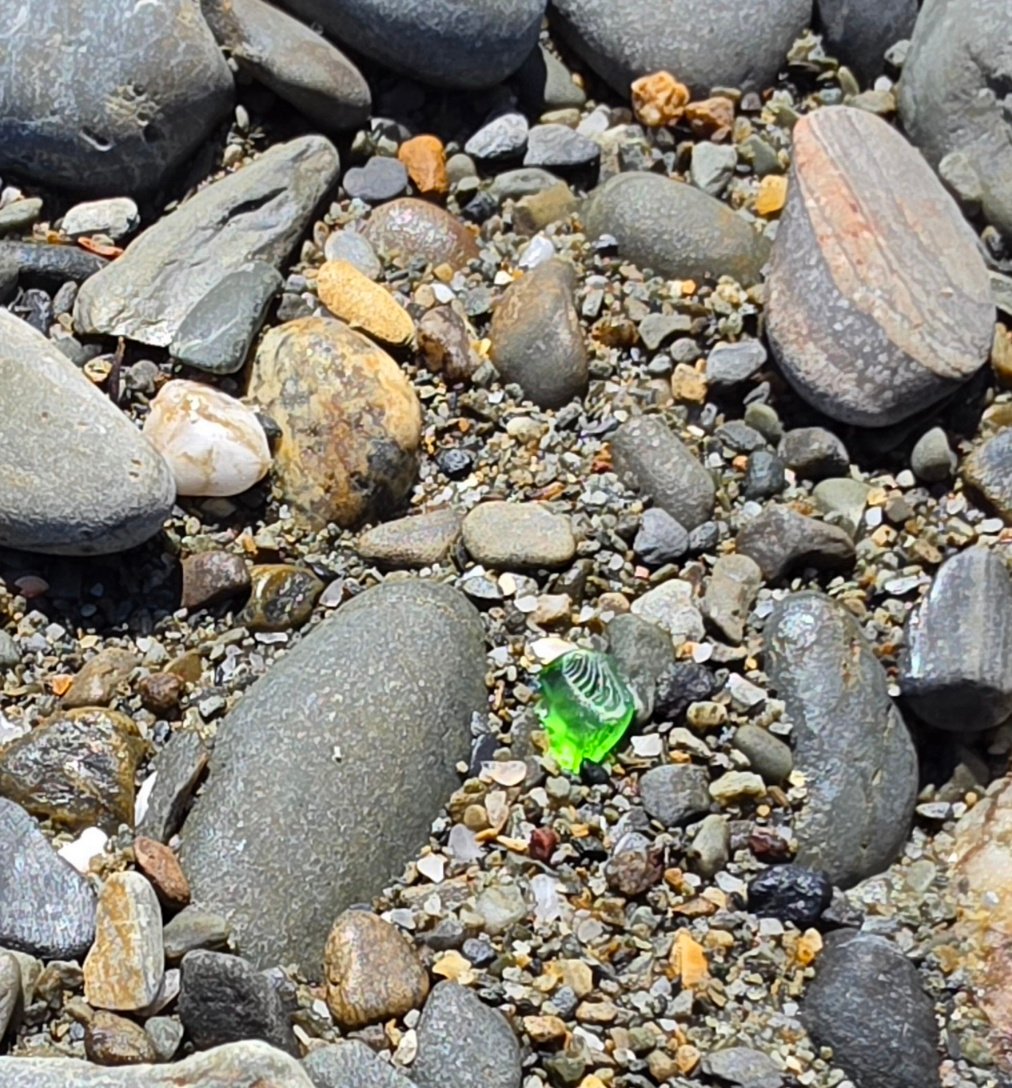
Tucked between Douglas and Laxey on the Island’s east coast, Garwick Glen is one of those places that I’ve passed many times without ever realising what I’m missing. Hidden in a steep, wooded valley near Baldrine, the glen leads down to a small bay and Garwick Beach. I’d heard about it from a Facebook post where someone had said it’s a good spot for finding seaglass. Having just read a book about beachlarking (or beachcombing as it’s more commonly known) I thought I’d take advantage of the beautiful weather and take a look.
Situated in the parish of Garff, Garwick Glen follows the path of the River Gawne to the coast. The Manx Electric Railway halt for the glen is now closed but used to be one of the busiest on the network, according to the Manx Electric Railway website. Although much of the tourism infrastructure has disappeared, traces of the past remain. The former Garwick Glen estate still contains some historic features, including a lake within the grounds.
I didn’t see the lake as I followed the Raad ny Foillan path from Clay Head Road down to the beach. It was quite overgrown and a little steep in places but do-able on a dry day. It was a wonderfully atmospheric walk, with the light filtering through the trees and the eerie sounds of the electric trams making their way through the nearby countryside.
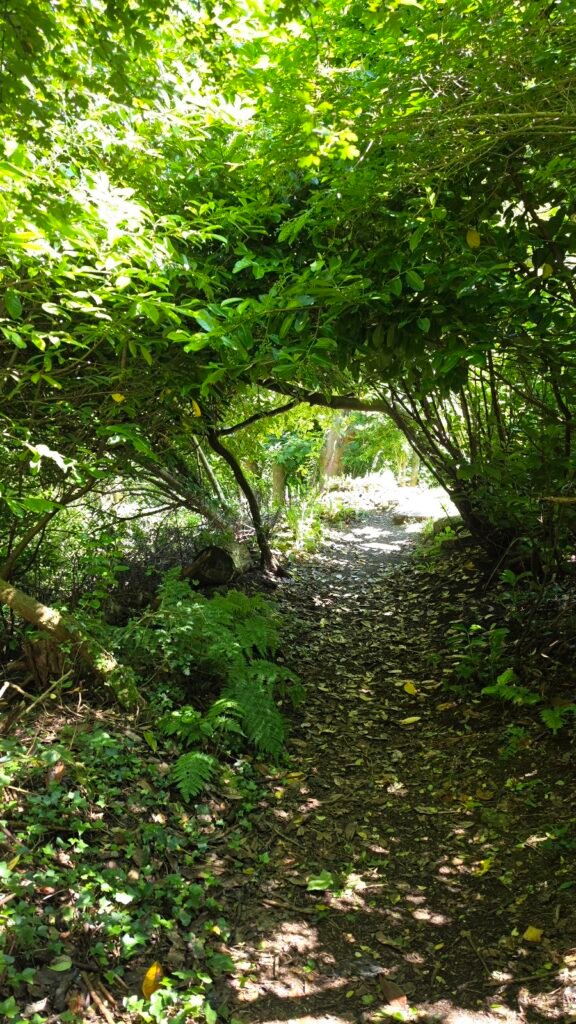
In fact, that’s one of the things that makes Garwick special. Unlike some of the Island’s better-known glens, it remains relatively hidden from view and there’s a real sense of discovery as you make your way through the undergrowth. The combination of woodland, coastline and history creates a landscape that feels far removed from the nearby main road.
As you emerge from the glen, the beach opens out in front of you and you feel the warmth of the sun and the welcome sea breeze on your face.
The bay is very picturesque as can be seen in the video below:
Garwick’s sheltered bay and rocky, shingle-covered shoreline make it an interesting place to slow down and see what the sea has brought in. The beach is not a wide sandy expanse, although there is a little nearer the water. Instead, it is made up largely of rocks and shingles, creating plenty of places for curious visitors to look among pebbles, seaweed and drift material left by the tide.
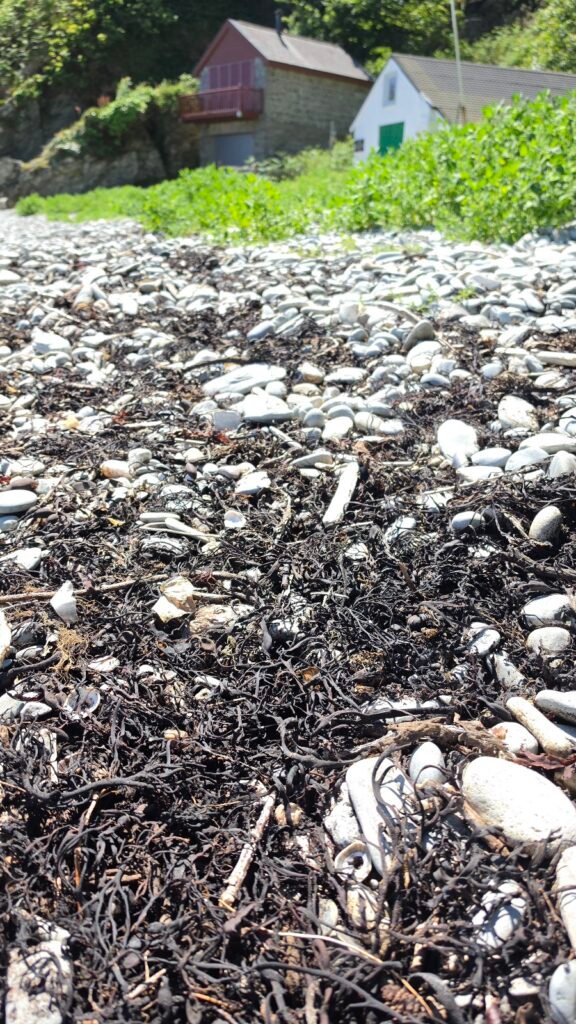
Like many beaches around the British Isles, the strandline at Garwick can reveal a variety of natural treasures. Beachcombers often look for shells, unusual pebbles, seaweed, driftwood and the egg cases of sharks and rays, sometimes known as “mermaid’s purses”. These finds can provide a fascinating glimpse into the marine life living just offshore.
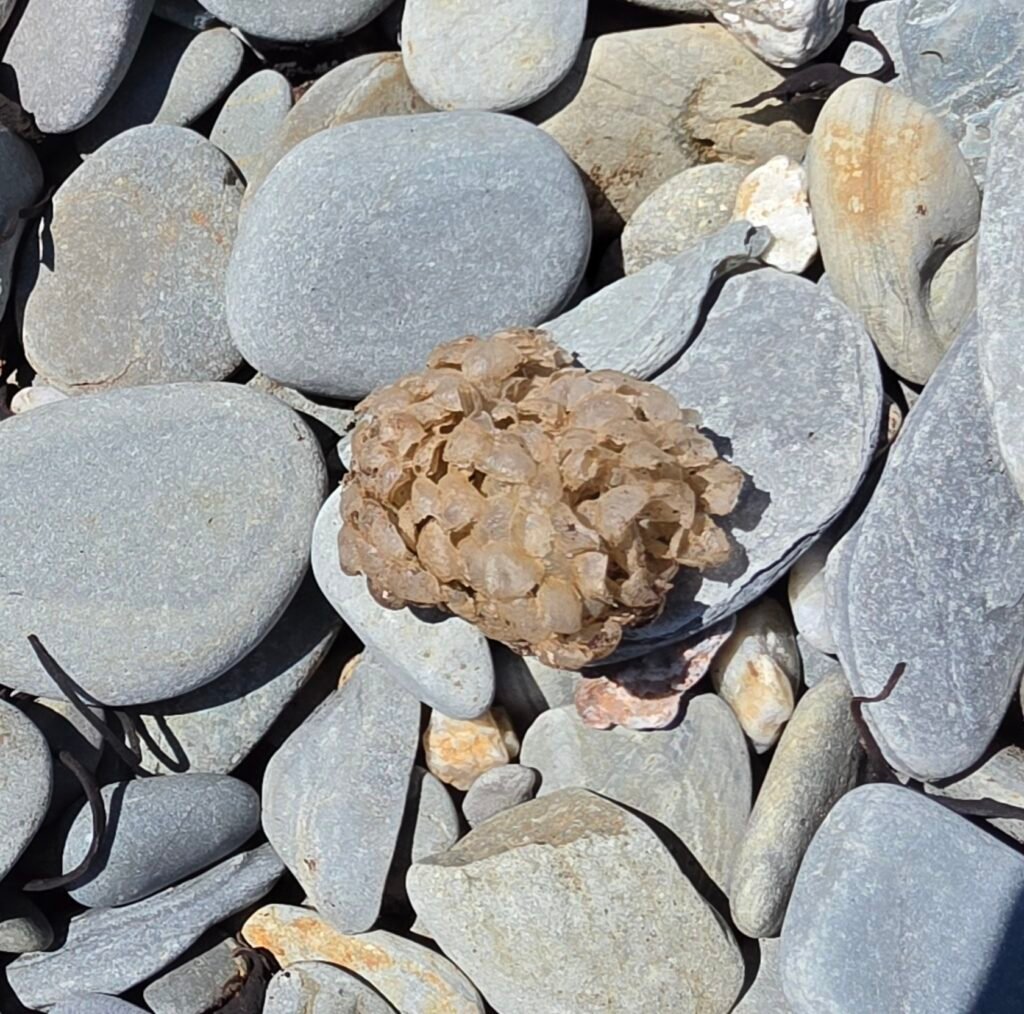
Garwick Bay is particularly interesting from a wildlife perspective because dogshark and ray egg cases have been recorded on the beach, suggesting breeding populations in nearby waters. These waters also contain beds of eelgrass, a protected species, and form part of the Laxey Bay Marine Nature Reserve. See the Laxey Bay MNR guide for more information about the species here.
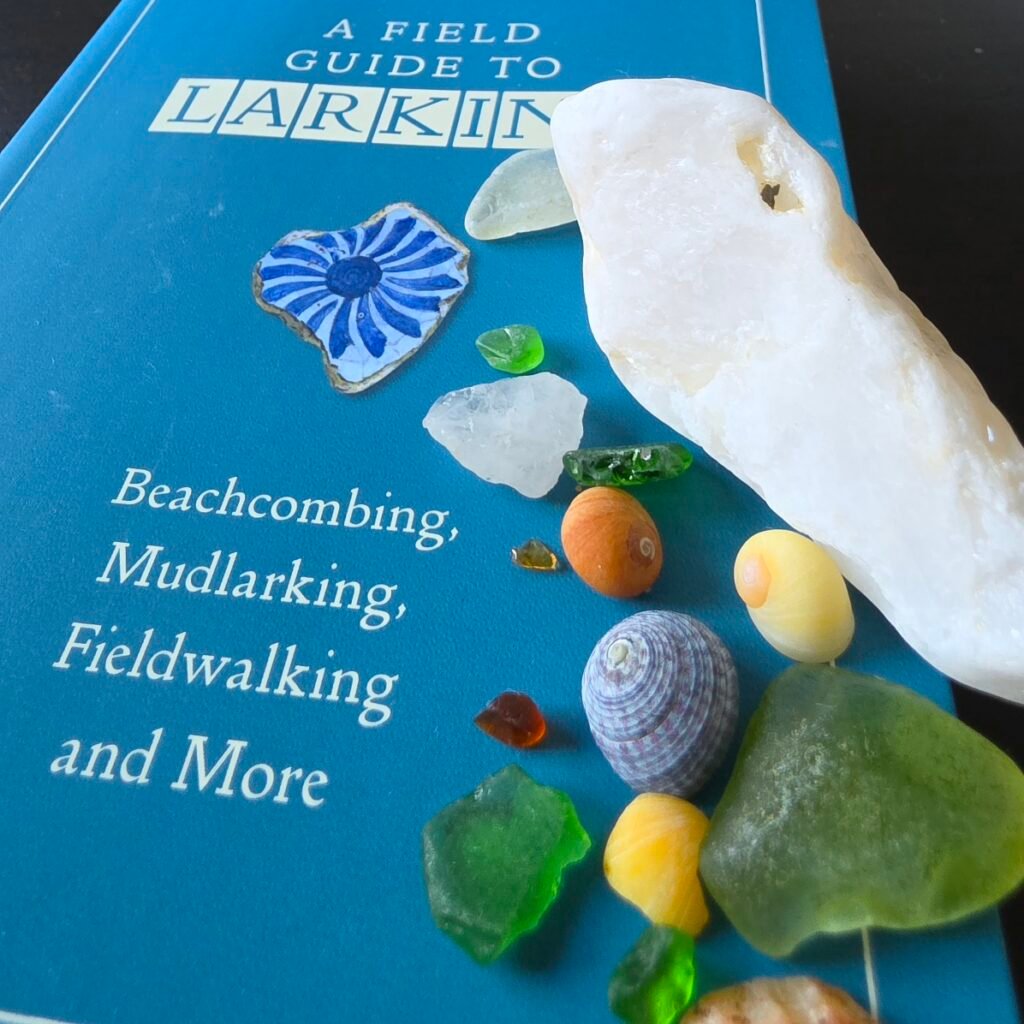
I read about beachlarking in the book ‘A Field Guide to Larking’ by Lara Maiklem which is a lovely book to inspire you to get outside and investigate the countryside. There are also chapters on mudlarking and fieldwalking and it’s packed with interesting facts, activities and illustrations.
According to the book, the best finds often appear after rough weather, when waves and tides uncover material that may have been hidden beneath pebbles or seaweed. The appeal lies not in knowing what you will find, but in never quite knowing what the next tide might reveal.
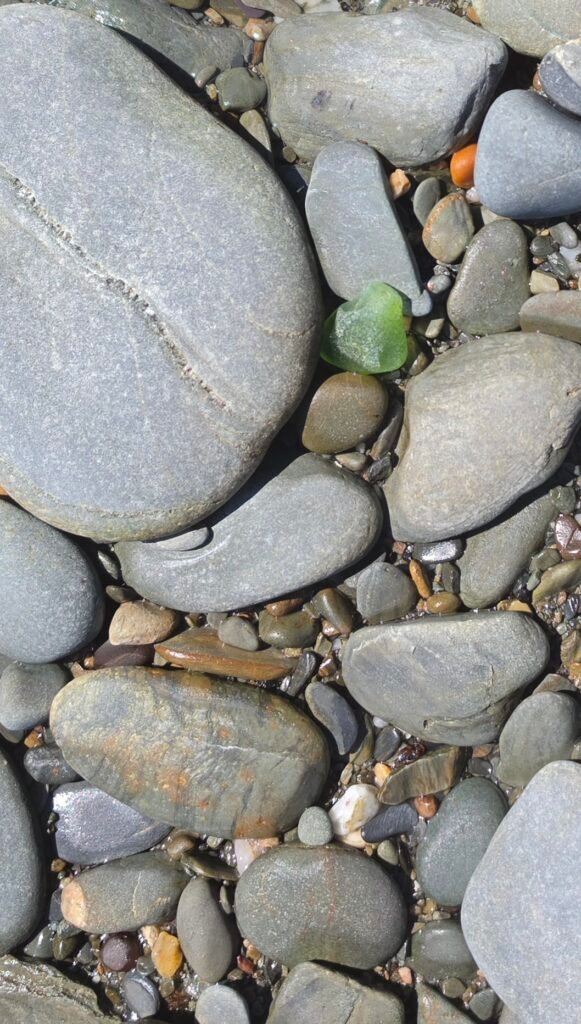
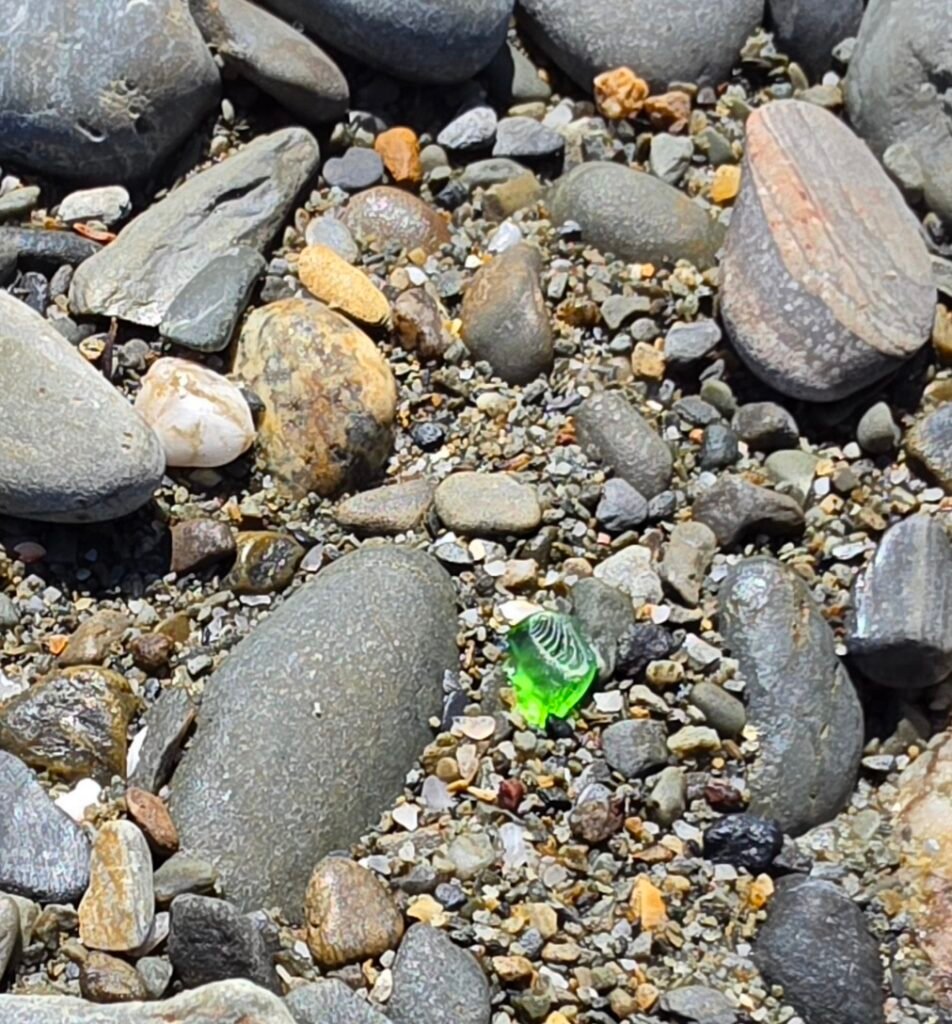
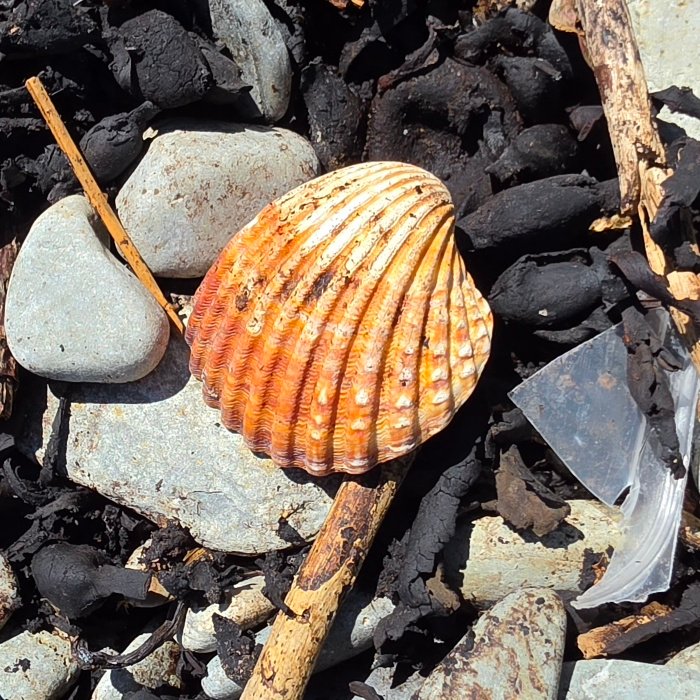
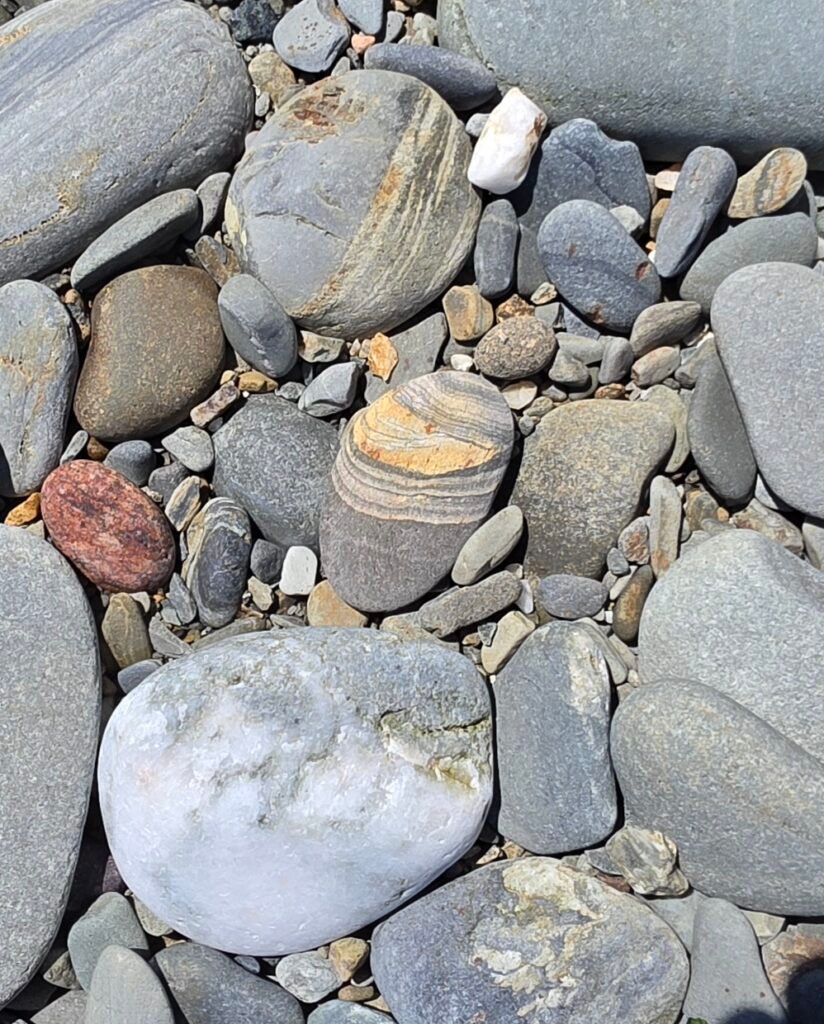
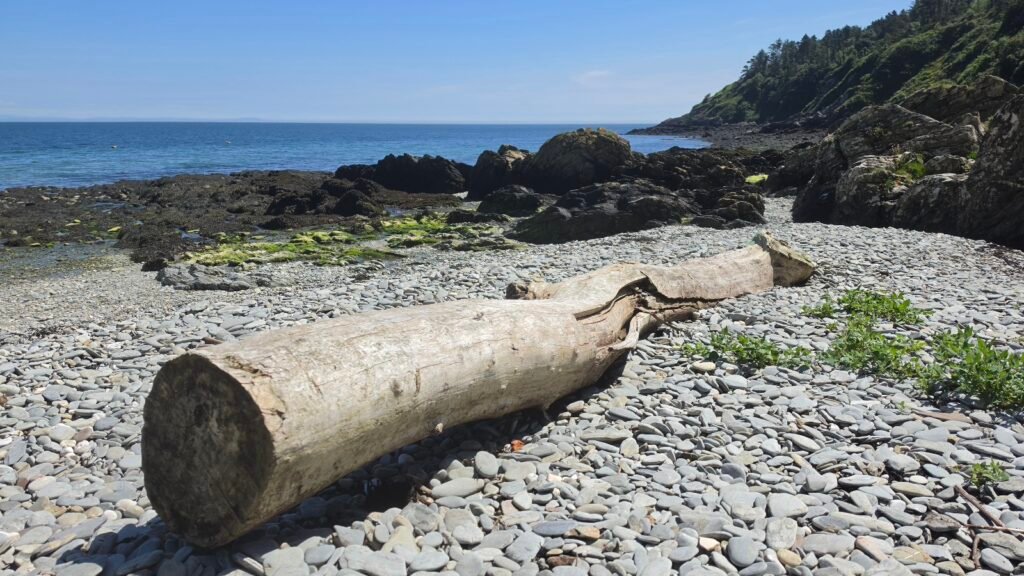
I only spent a short time on the beach but was able to find lots of little treasures to bring home. I’m a natural ‘beachlarker’ as I’ve always spent more time looking down at the sand or pebbles than looking out at the view. I look forward to visiting this beach after a storm to see what gets washed up and will add the beach to my growing list of hidden treasures in the Isle of Man.
Until next time,
Emma


Leave a Reply